Replacing sucrose with natural, low-calorie monk fruit extract can support a product upgrade, but the decision is not a simple one-for-one swap. The practical route is to define which functions sucrose performs in the finished product, select a Mogroside V grade for the target sweetness, and validate the result in the real formula. Huacheng Bio's H2-Luo range can be a starting point for that review, while the proposed grade, test method, sample terms, and commercial documents should be confirmed for each project.
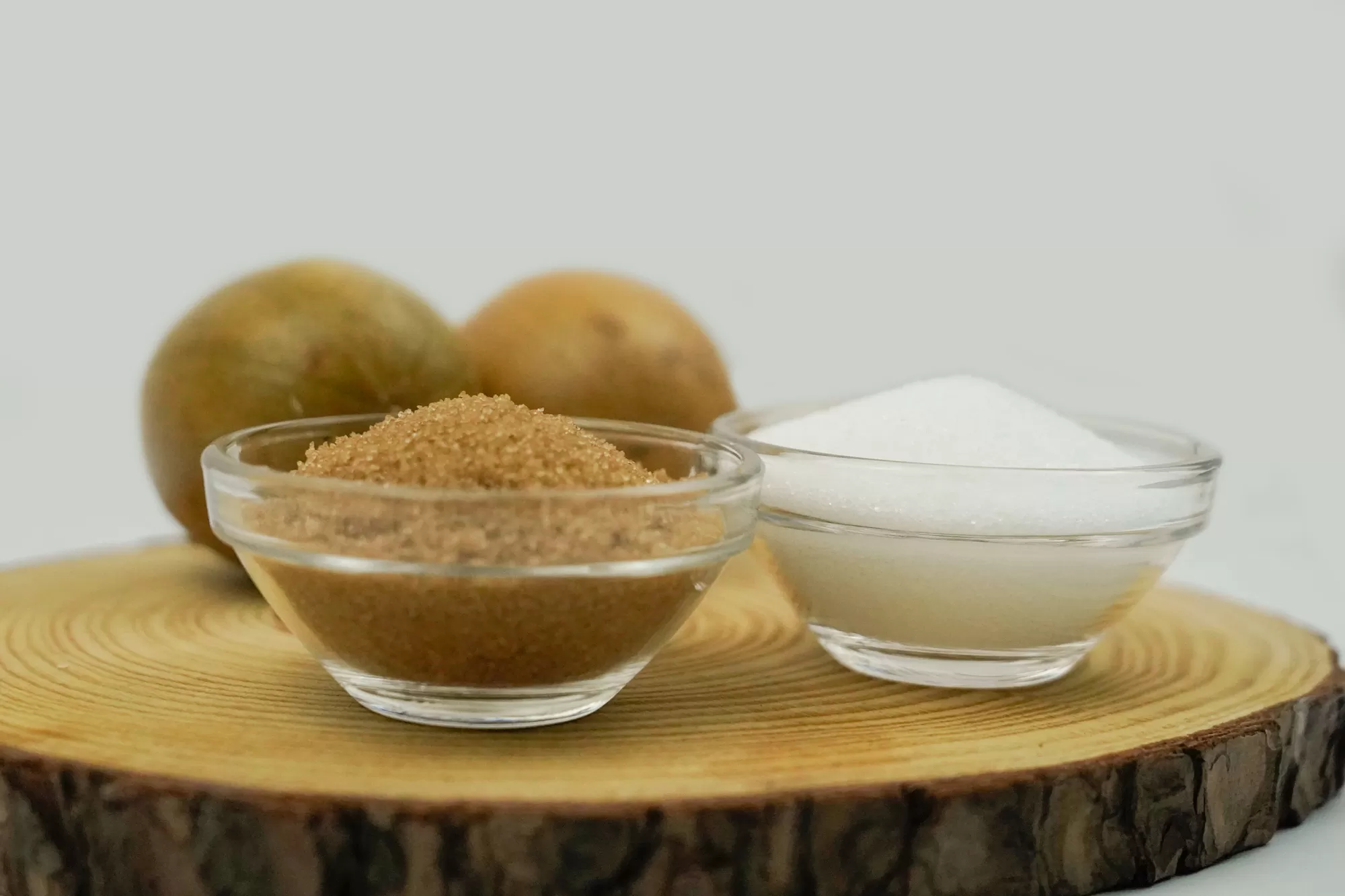
Sucrose contributes more than sweetness. In a beverage it affects solids, acidity balance, flavor perception, and mouthfeel. In bakery and confectionery products it can influence bulk, browning, structure, and process behavior. A high-intensity monk fruit extract mainly addresses sweetness, so the upgrade plan must separate the sweetness decision from the functions that still need another ingredient or process adjustment.
| Product-upgrade question | What to define | Why it changes the decision |
|---|---|---|
| What must be reduced? | Sucrose percentage, sweetness target, and any calorie or label objective. | Determines whether the trial is a sweetener replacement, a partial reduction, or a broader reformulation. |
| What must remain? | Body, texture, browning, solids, stability, and process behavior. | Prevents a sweetness result from being approved while the product loses an important sucrose function. |
| Which grade is plausible? | Target dosage range, sensory profile, process conditions, and Mogroside V specification. | High potency can reduce addition level, but it can also make weighing and sensory calibration more sensitive. |
| What evidence is needed? | Current specification, COA, test method, lot identity, and agreed trial protocol. | Links the sample result to the material that may be quoted for commercial supply. |
Huacheng Bio's H2-Luo Monk Fruit Extract range provides a set of Mogroside V options, including V20, V25, V40, V50, V55, and V90. These published options help a buyer frame the first conversation. They are not a ranking of finished-product quality, and the current specification for the proposed lot should be confirmed before a sample or quotation is evaluated.
Choose the candidate grade against the product's working conditions. A concentrated grade may suit a formula where a small addition is useful, yet that same low dosage can increase the impact of weighing variation or flavor carryover. A lower-potency format may be easier to handle when the product needs more bulk or a sugar-like measuring experience. Compare candidates at matched sweetness in the same base formula rather than comparing Mogroside V percentages in isolation.
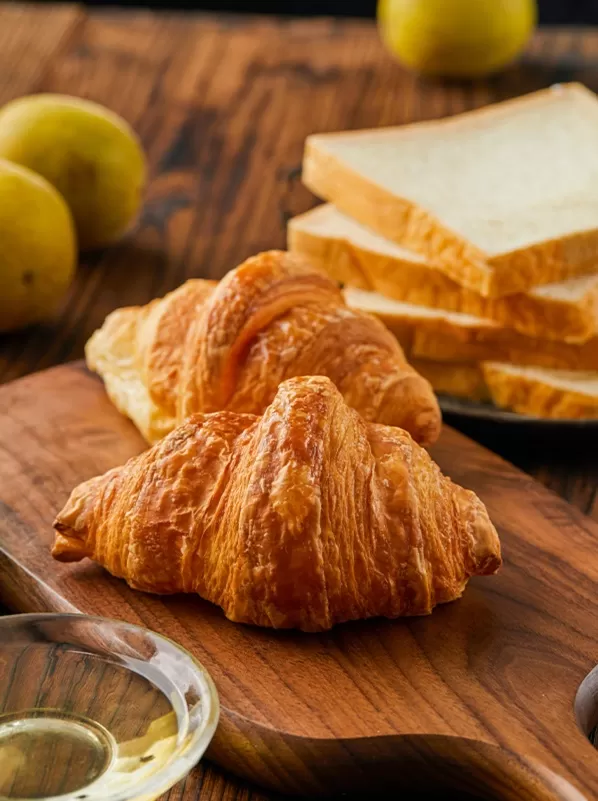
Use a control formula and a dosage ladder. Keep the base ingredients, process sequence, serving size, and evaluation conditions constant, then record sweetness onset, lingering character, flavor interaction, and off-notes. The trial should also record the grade, lot identifier, date, and preparation method. That record lets the formulation team distinguish a grade effect from a dosage error or an uncontrolled process change.
Do not approve the extract on a sweet-water test alone. If the product will be heated, stored, reconstituted, or distributed under conditions that the bench test did not cover, add an application-specific check. Define the acceptance threshold before tasting so the team knows whether it is deciding on sweetness, overall liking, process behavior, or readiness for the next pilot.
| Trial stage | Buyer action | Release question |
|---|---|---|
| Sample receipt | Match label, grade, lot identifier, and documents. | Is the material traceable to the proposed specification? |
| Formula screen | Compare a dosage ladder with the sucrose control. | Can the target sweetness be approached without unacceptable sensory effects? |
| Process check | Run the intended heat, mixing, or reconstitution sequence. | Does the candidate remain workable in the actual process? |
| Pilot decision | Record the acceptance threshold and next documents required. | What must be confirmed before a commercial lot is considered? |
For the proposed H2-Luo grade, request the current specification, batch-linked certificate of analysis, Mogroside V test method, lot or sample identifier, physical description, and storage information where applicable. Ask whether the reported result applies to the exact sample and whether the unit and method match your internal specification.
Send the product type, target market, current sucrose role, sweetness target, process conditions, required documents, planned sample quantity, and decision timeline through the Huacheng Bio inquiry route. Ask us to confirm the candidate grade, the evidence available for it, and the current sample and supply terms. The product information describes a free-sample offer of 10-20 g or an amount sufficient for testing; eligibility, freight responsibility, exact grade, lot identification, and current terms should be confirmed for your inquiry.
Share the formula conditions and the decision your trial must support. We can then confirm which H2-Luo grade information, sample details, and documentation should be reviewed before you compare the result with your sucrose control.
Request a specification and sample reviewNo. High-intensity monk fruit extract addresses sweetness at a much lower addition level, while sucrose also contributes bulk, texture, browning, solids, and process behavior. Define which functions need replacement, then validate the complete sweetener system in the finished matrix.
Start with the product matrix, sweetness target, dosage-control needs, process conditions, and sensory brief. Huacheng Bio lists H2-Luo options including V20, V25, V40, V50, V55, and V90. Ask for the current specification and test method for the grade proposed for your application.
No. A sample can answer a defined formulation question, but commercial suitability also requires traceability, matched documentation, process validation, and agreement on the acceptance criteria for the first commercial lot.
The H2-Luo product information describes a free-sample offer of 10-20 g or an amount sufficient for testing. Confirm eligibility, logistics, exact grade, lot identification, and current terms with Huacheng Bio before scheduling the trial.
Include the finished product type, target market, current sucrose function, sweetness target, formula and process constraints, required documentation, planned test quantity, and timeline. This gives our team enough context to identify the right grade questions and the evidence needed for review.







 EN
EN EN
EN CN
CN ES
ES PT
PT SV
SV DE
DE TR
TR FR
FR AR
AR BG
BG HR
HR CS
CS DA
DA NL
NL FI
FI EL
EL HI
HI IT
IT JA
JA KO
KO NO
NO PL
PL RO
RO RU
RU CA
CA TL
TL IW
IW ID
ID LV
LV LT
LT SR
SR SK
SK SL
SL UK
UK VI
VI SQ
SQ ET
ET GL
GL HU
HU MT
MT TH
TH FA
FA AF
AF MS
MS GA
GA BE
BE UZ
UZ